International Women's Day: An Interview with Sofie Wallyn
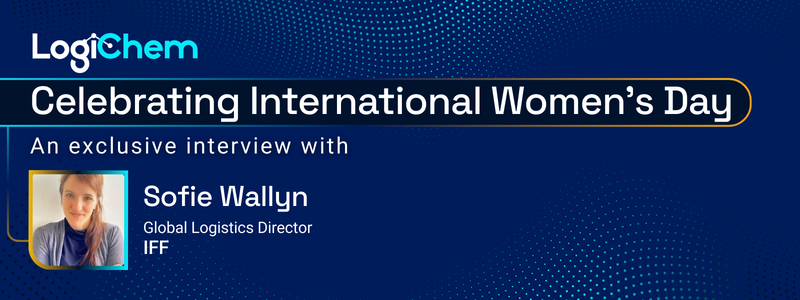
Can you tell us about your career journey so far? What first drew you to the supply chain and chemicals industry, and how did you progress to your current role?
I’ve always been fascinated by how materials are made and how they move through global supply networks. Working in a chemical logistics environment brings those interests together in a meaningful way.
I began my career as a supply chain analyst for a chemical company and later moved into roles across planning, customer service, international logistics and broader supply chain functions. Through each role, I gained a deep appreciation for the power of strong partnerships and collaboration with key stakeholders.
That experience prepared me well for my current position as Global Logistics Director for IFF Scent & Taste. Today, I oversee a large global freight portfolio, balancing service, cost, safety and sustainability to help ensure our products move reliably and responsibly around the world.
Looking back, were there any defining moments, challenges, or opportunities that had a significant impact on your career path or leadership style?
Becoming a mother was a defining moment in my career. It prompted me to reflect on what I value most - at home and at work - and sparked a meaningful shift in how I show up every day. I learned that clarity, focus and intention are essential to doing my best work. Being more deliberate about how I spend my time didn’t make me less committed; it made me more effective.
This change in my life also shaped how I lead. I see work-life balance as a thoughtful, ongoing choice. As leaders, we set the tone for how we manage our time and boundaries. By being open about what matters to me and aligning my work habits accordingly, I aim to create an environment where others feel supported to do the same. That transition made me a more grounded, empathetic and outcome-driven leader, and it continues to influence how I build teams and culture today.
As a leader, how do you foster a positive and inclusive work culture within your teams?
My leadership philosophy is grounded in the belief that a manager’s effectiveness is reflected in how well their team performs.
When people feel valued, recognized and respected, and when leaders consistently welcome feedback, it creates an environment where everyone feels safe to speak up and bring their full selves to work. In that kind of culture, people share ideas that become tomorrow’s standards.
Another essential part of building that culture is speaking up as a leader. This includes championing talent and addressing situations or conversations that undermine a healthy environment. Leading by example encourages others to do the same.
You mentioned you’re passionate about DEI. Why is this important to you personally, and how is this a regular part of your day-to-day role at IFF?
At IFF, we choose to create a culture where every person has a fair chance to grow, contribute and succeed. Our collective strength comes from the diversity of our experiences and perspectives.
On a personal level, inclusion matters deeply to me. Through close family members, I have learned how society can treat someone who doesn’t fit into traditional boxes. I also learned how my own unconscious bias could hurt others. My personal experience motivates me to create a working environment where everyone can thrive. From avoiding assumptions to implementing time-zone-friendly meeting etiquette, I believe small choices can make a big impact.
I also strive to support employee resource groups. Known at IFF as colleague communities, these groups provide opportunities to share lived experiences and facilitate learning and understanding among colleagues. Within my industry, I serve as a board member for Women in Logistics, a consortium that aims to address the gender gap in chemical logistics.
From your perspective, how is work culture changing across supply chain and logistics, and what progress are you most encouraged by, especially for women in the industry?
Work culture in logistics has transformed significantly. The function has moved from a reactive mindset to one that is strategic, digital, analytical and collaborative. Today, success depends on flexibility, systems thinking, financial literacy and the ability to influence stakeholders across the organization. Global supply chain challenges in recent years have reinforced that logistics is both a key competitive differentiator and an important cost driver, elevating its visibility at the board level.
Over the past few years, during moments of unprecedented supply change disruption - including the COVID-19 pandemic - many women in the field, across industries, emerged as leaders. This has helped shift perceptions of what effective leadership looks like in supply chain and logistics, opening doors for the next generation. While the industry has made meaningful progress, we must continue our work to inspire and attract diverse talent to careers across the supply chain and chemical sectors.
For women who are earlier in their careers or aspiring to leadership roles in supply chain, what advice would you share based on your own experience?
Early-career women and aspiring leaders shouldn’t shy away from a bit of discomfort - that’s often where real growth happens. Many of us are far more capable than we initially believe.
Based on my experience, I would advise early-career women not to wait for a title to lead. You can have an even greater impact when others see you leading effectively without formal authority. I believe it is also important to prioritize seeking out mentors and sponsors who will advocate for your career growth.
Lastly, I encourage aspiring professionals to protect their energy. Setting boundaries, planning moments for recovery and surrounding yourself with a supportive community are what make a career sustainable.
Register for LogiChem 2026 to hear more from Sofie, alongside our other inspirational female speakers.